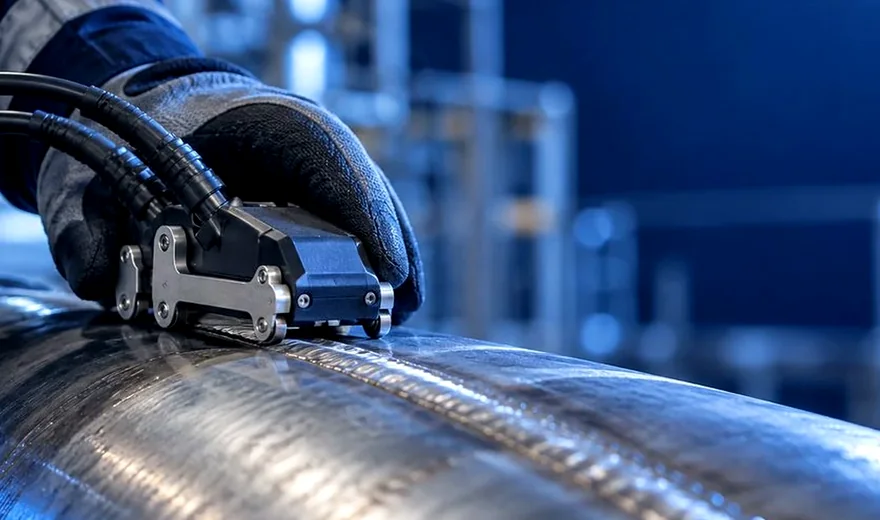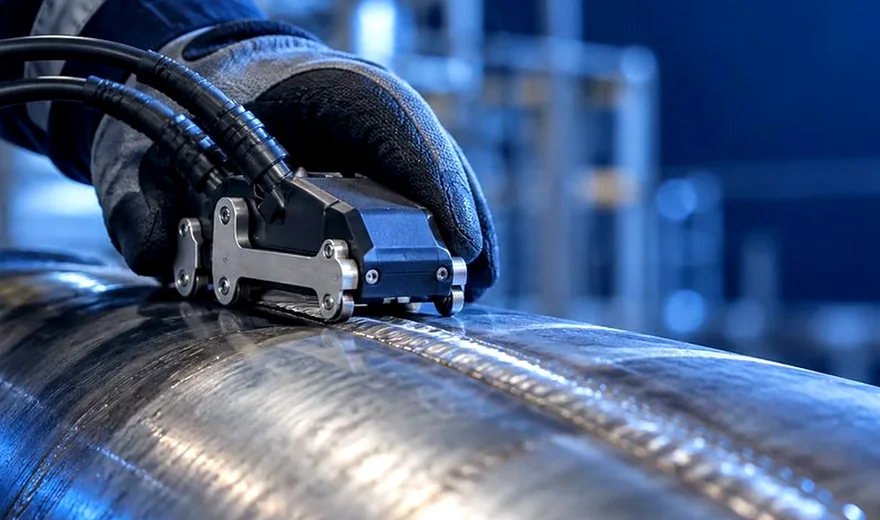

Typical enquiry details
Send tube specification, quantity, length, tube sheet layout and previous findings.
Explore →Array tube probes may improve sensitivity to selected flaw orientations and provide circumferential information in compatible tube geometries. Conventional bobbin ECT, rotating probes, array probes and other tube methods answer different questions. An array probe should be selected only after reviewing tube material, diameter, wall thickness, access, support locations and target degradation.
Request a proposal Explore servicesInspection scope, suitable probe design, reference standards and reporting requirements should be determined for the actual asset. Where feasibility is uncertain, send the drawings and inspection objective for review.
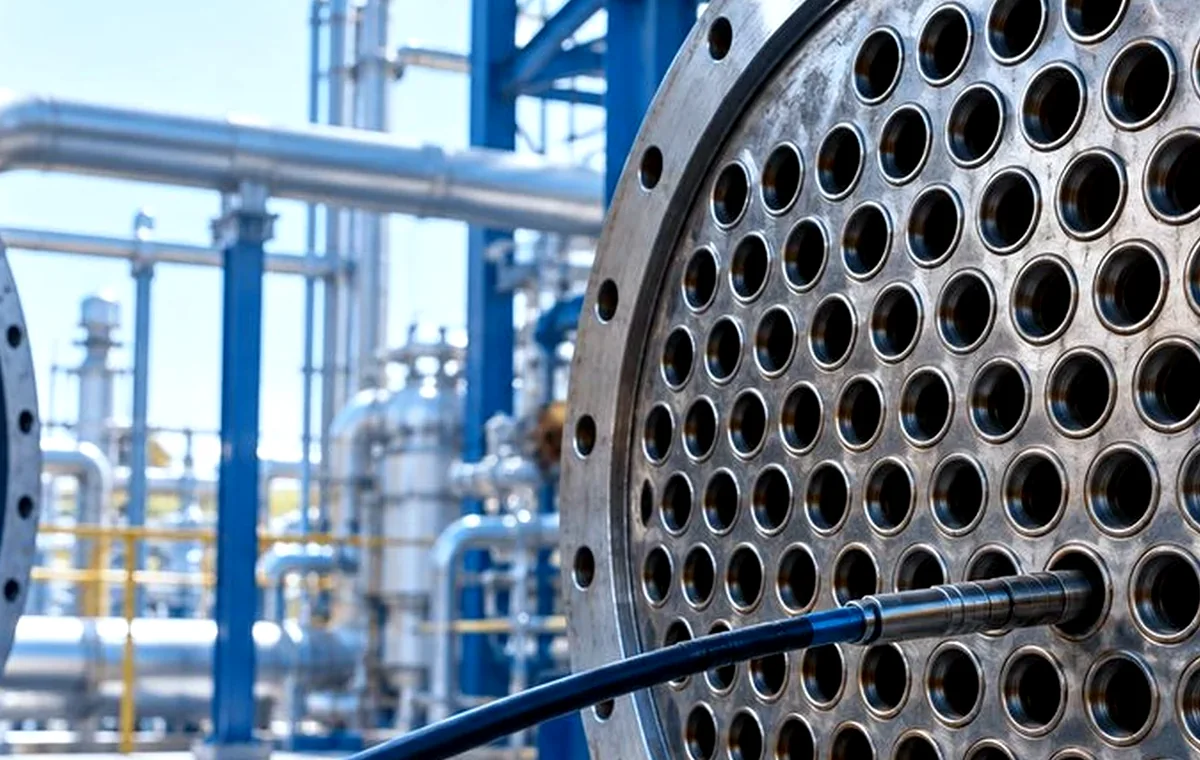
Tube arrays can provide circumferential detail for suitable tubes. A bobbin survey, rotating probe, array probe or another technique may be appropriate depending on the defect mechanism.
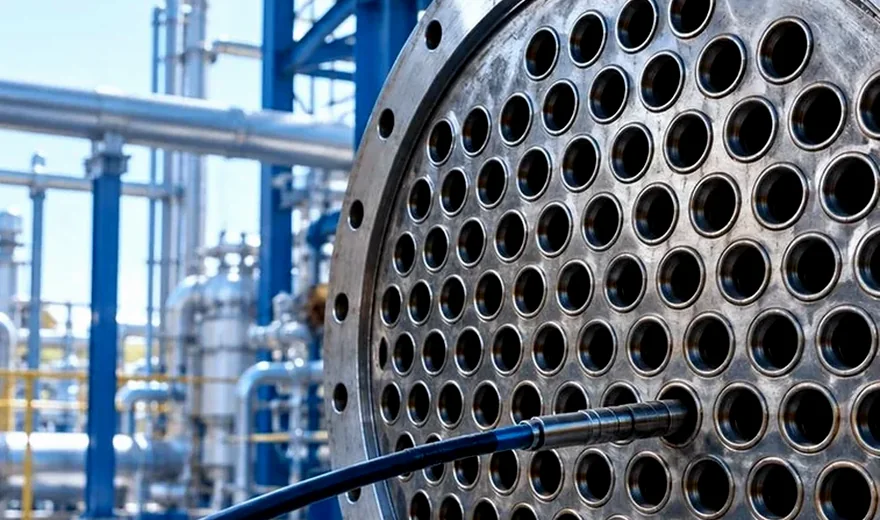
Define material, tube count, length, access and known damage.
Explore application →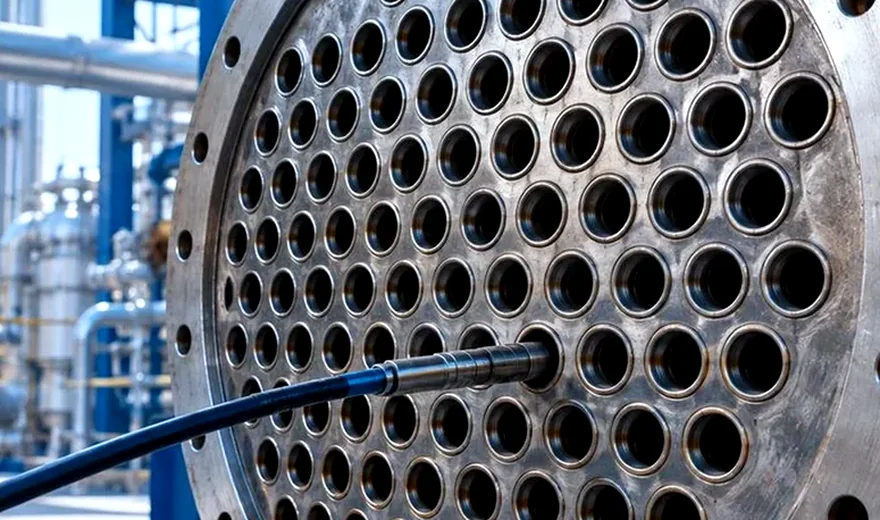
Discuss expansion-zone or support-region flaw concerns.
Explore application →| Approach | Best discussed when | Review point |
|---|---|---|
| Bobbin ECT | Efficient general survey of compatible tubing | Circumferential averaging and support signals. |
| Rotating probe | Localised detailed examination | Scan time, mechanical access and probe fit. |
| Tube ECA | Circumferential mapping is valuable | Array geometry, flaw orientation and channel resolution. |
| Other tube methods | Material or mechanism limits standard ECT | Consider alternative electromagnetic or ultrasonic methods after review. |
The inspection route is selected for the actual material, geometry, access and damage objective. Standards are applied only when they are relevant to the agreed project procedure.
Method selection starts with material conductivity and magnetic properties, component geometry, surface condition, access, expected flaw orientation and the decision the inspection must support. Probe arrangement, frequency, reference standards, calibration, scanning pattern and reporting are then defined for the actual component.
Examples can include ASTM E3052-21 for examination of carbon steel welds using ECA, ISO 15549:2019 for general eddy current testing principles, and ISO 17643:2015 for eddy current testing of welds by complex-plane analysis. ASTM E243-24 addresses copper and copper-alloy tube ECT using encircling coils and is not an ECA-specific array procedure. The applicable edition, calibration approach and acceptance criteria should be agreed in the project procedure.
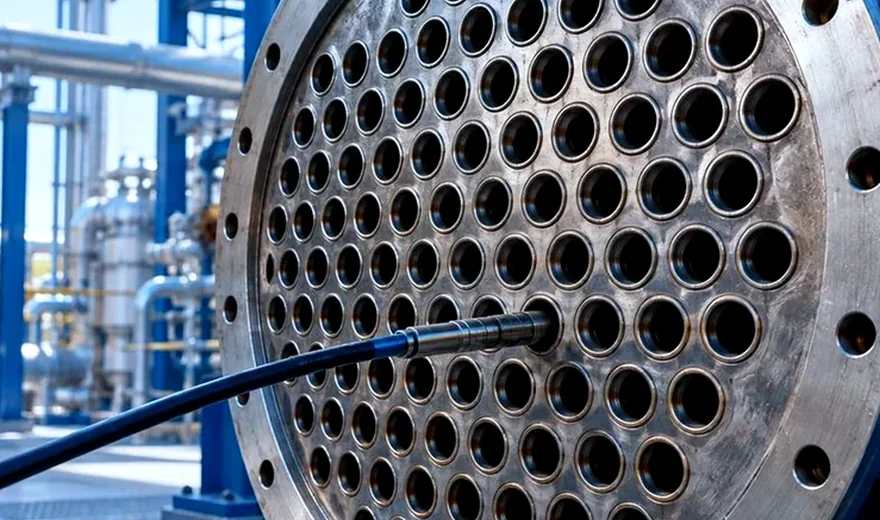
Refineries, petrochemical and chemical plants
View application →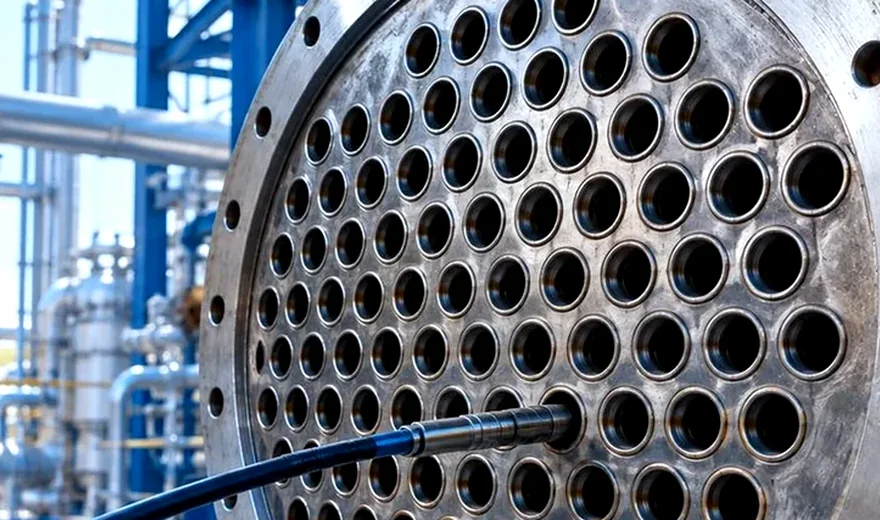
Power generation and process plant condensers
View application →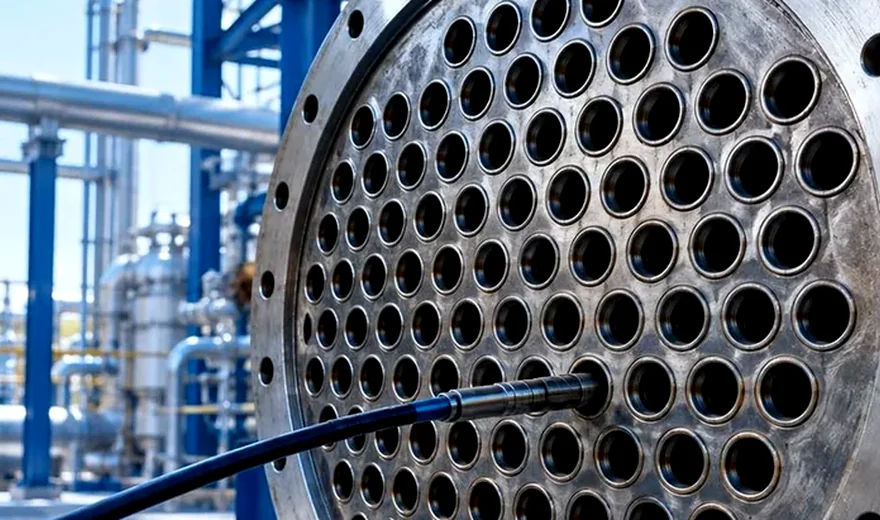
Power plant feedwater heaters
View application →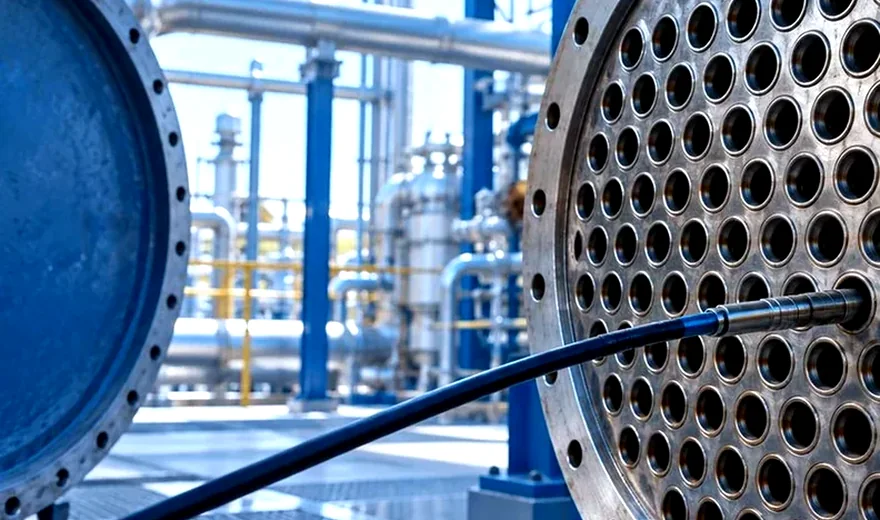
Power generation steam generators
View application →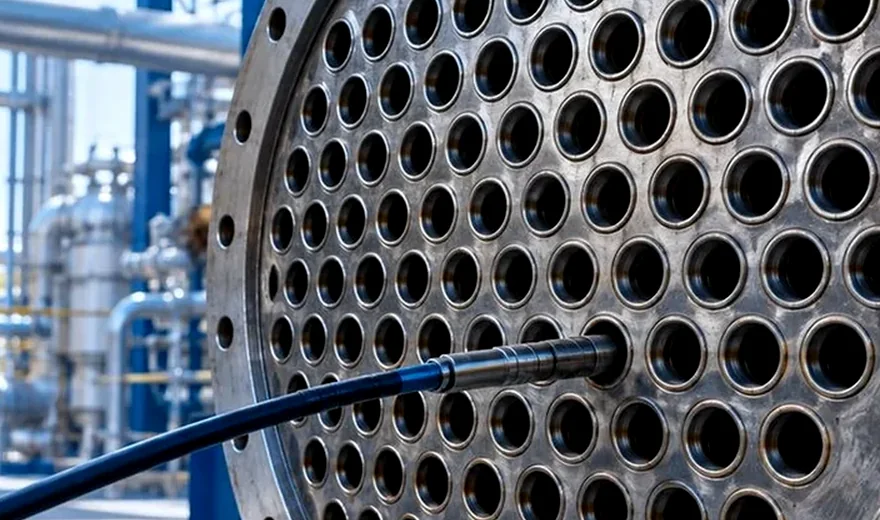
Refinery and petrochemical air coolers
View application →Air-cooler near-field array is a related technology, and ferromagnetic tubes may need other methods. Each enquiry is reviewed by alloy and degradation mechanism.
Oil and gas facilities, chemical plants and power stations use exchangers, condensers, feedwater heaters, steam generators and air coolers with very different tube alloys and support designs.
For compatible non-ferromagnetic tubes, an array probe may improve localisation and circumferential interpretation of certain indications compared with a bobbin response averaged around the tube. Carbon steel, finned or otherwise ferromagnetic tubing may call for near-field array, RFT, MFL, IRIS or other techniques. Browse the asset-specific pages →
Eddyfi distinguishes non-ferromagnetic ECA tube probes from near-field arrays developed for ferromagnetic, aluminum-finned tubes. Both use multiple sensing channels, but their field arrangements and intended materials differ.
| Tube situation | Relevant technology described by Eddyfi | Why it matters |
|---|---|---|
| Non-ferromagnetic exchanger, condenser or feedwater heater | Multiplexed ECA tubing probe, often alongside bobbin ECT | More circumferential detail can help distinguish localised and circumferential indications near tube sheets and supports. |
| Tube-sheet transition or support plate | High-definition array configuration | Spatial response helps interpret signals that overlap geometry and potential cracking. |
| Carbon steel fin-fan air cooler | Near-field array (NFA), separate from conventional ECA | Designed for internal pitting, erosion and wall-loss concerns where aluminum fins affect conventional responses. |
| Mixed defect objectives | Bobbin, array, rotating, RFT, NFT, MFL or IRIS as applicable | No one technique covers every material, support geometry and damage mechanism. |
Source notes: Eddyfi heat exchangers , tubing defects , DefHi ECA and NFA probes . Product-specific claims are not IAIS equipment claims.
Contact IAIS with the component details and required schedule. Inspection capability and commercial terms are confirmed after scope review.
Discuss your inspection