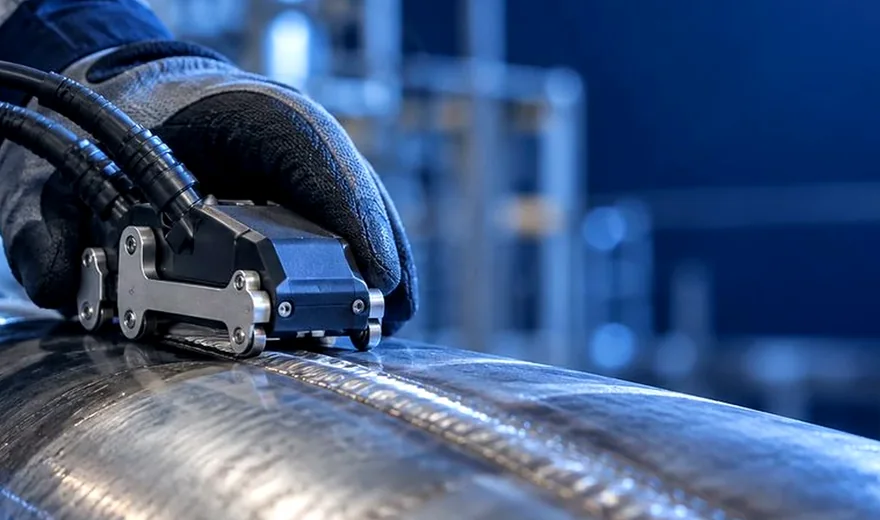
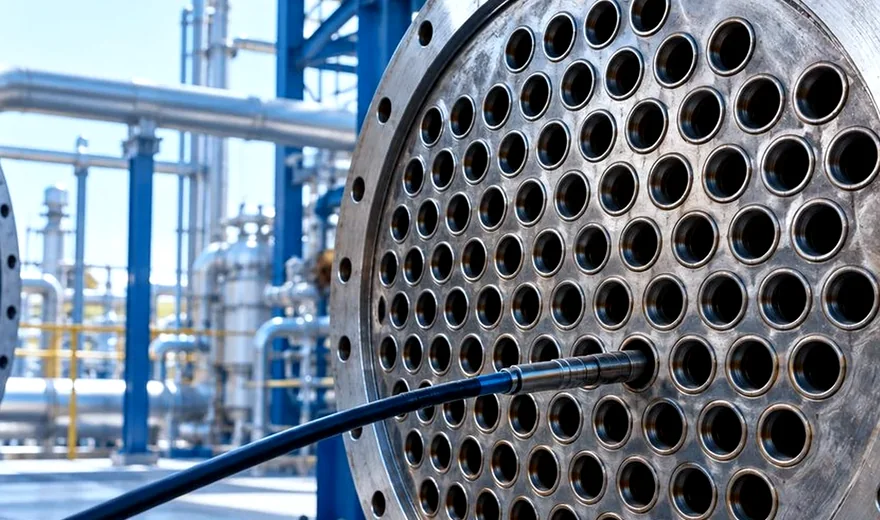
Tube bundles
Discuss exchanger tube material, dimensions and access.
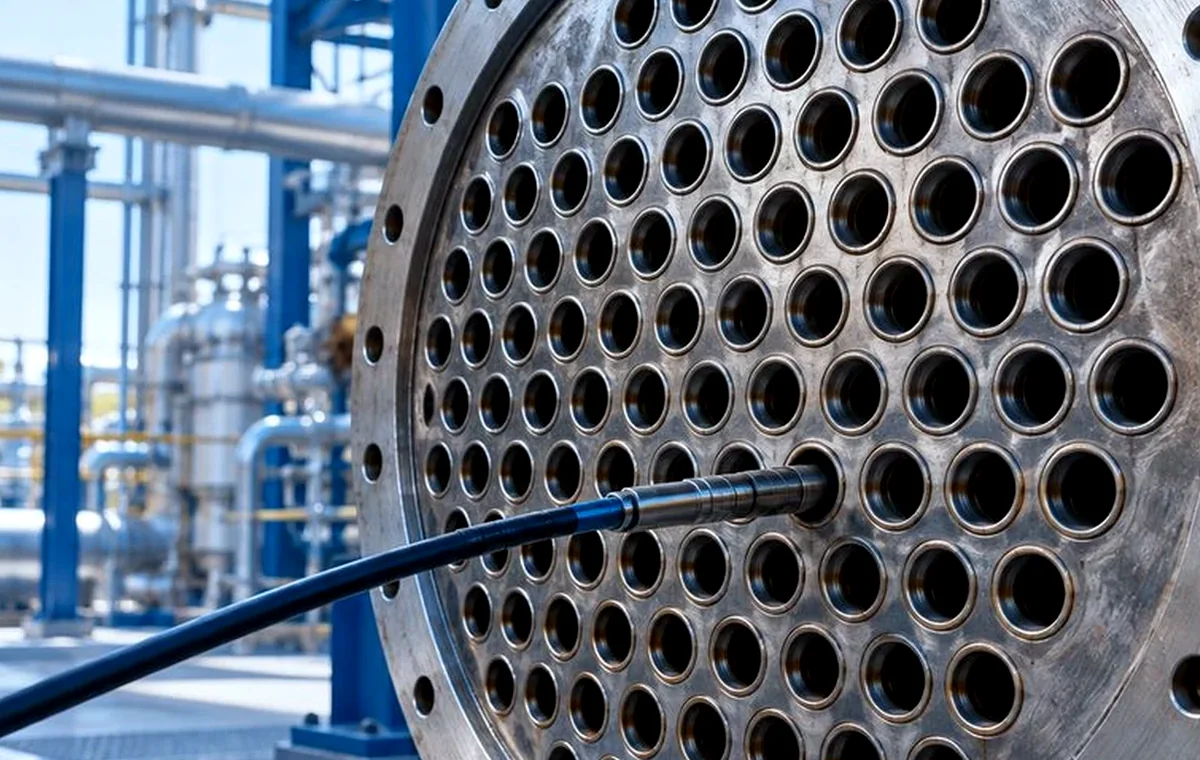
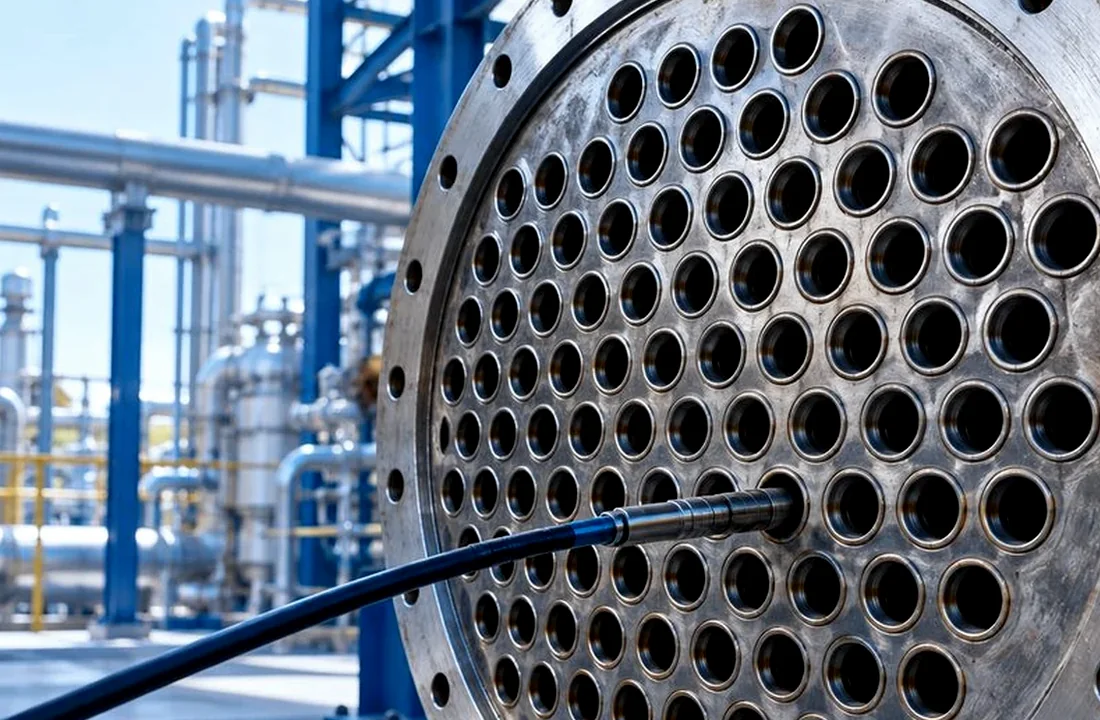
Explore →Tube ends, expanded sections, tube sheets and supports introduce geometry and background signals that can complicate conventional tube screening. A compatible array probe may provide more localised circumferential information; a rotating probe or another method may still be preferred for a particular material or defect. Feasibility depends on probe diameter, access, tube condition and validated reference indications.
Request a proposal Explore servicesInspection scope, suitable probe design, reference standards and reporting requirements should be determined for the actual asset. Where feasibility is uncertain, send the drawings and inspection objective for review.
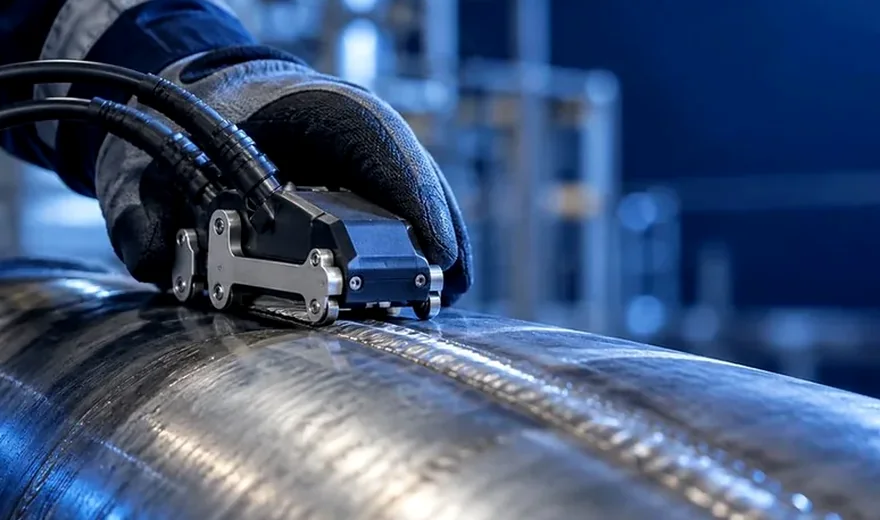
Surface and near-surface indication planning.
Explore application →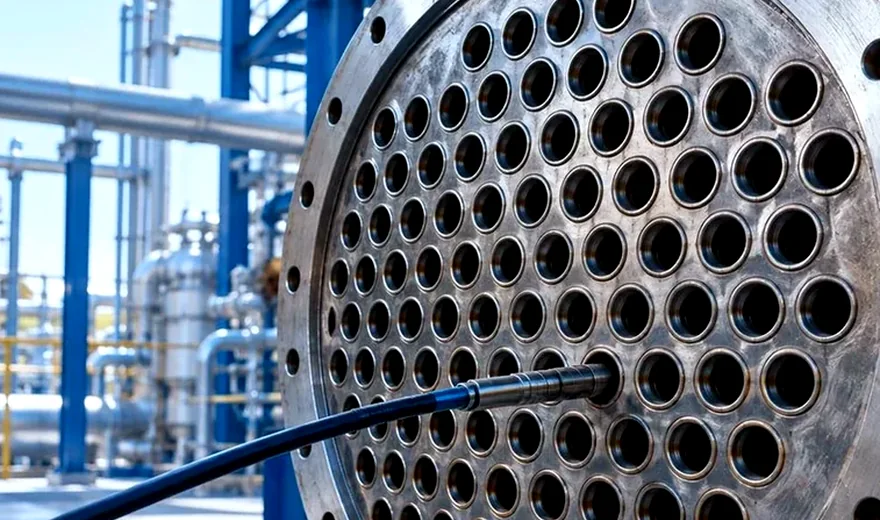
Bundle survey and localised tube indications.
Explore application →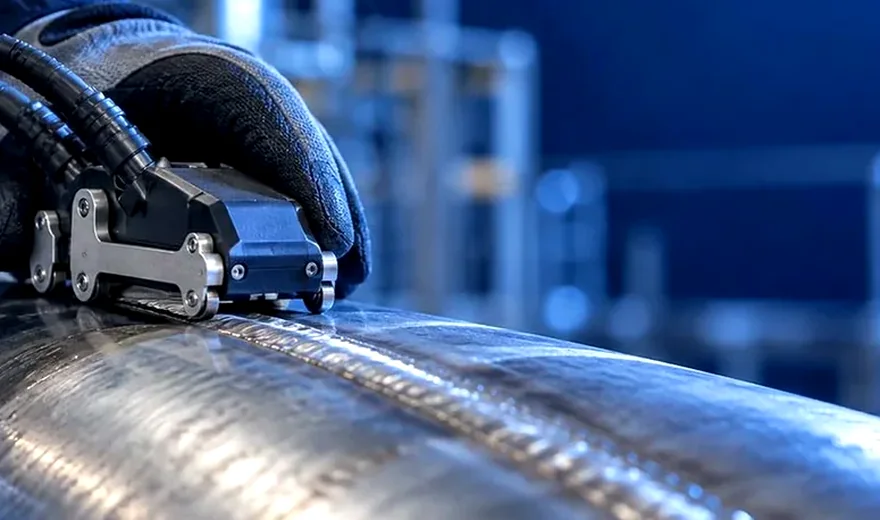
Plate and accessible detail inspection.
Explore application →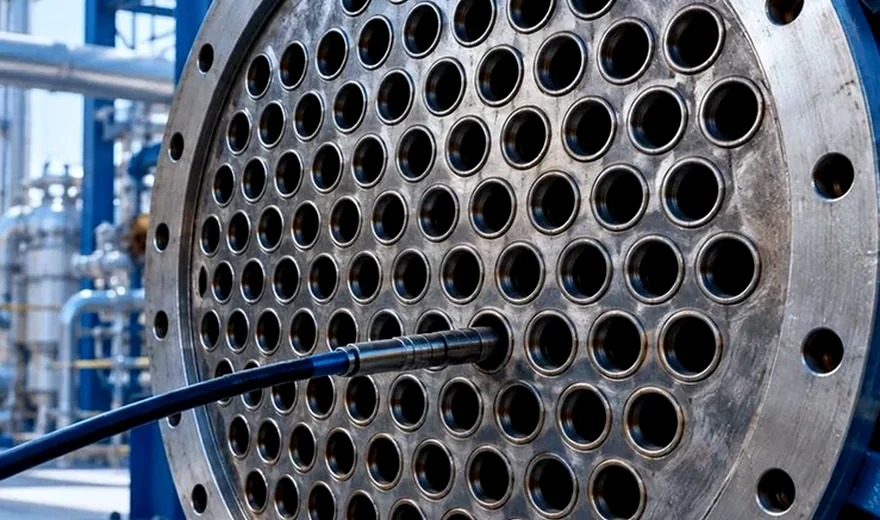
Expansion and support-region concerns.
Explore application →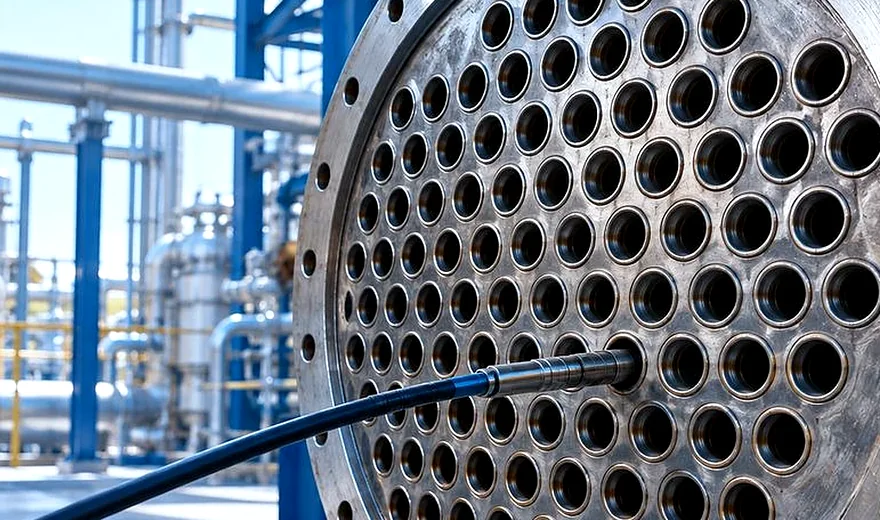
Tube material, ID, wall, expansion details, support spacing and suspected flaw orientation.

Accessible inspection length, reference tube and data interpretation approach.

Record tube identity, axial position and circumferential indication information where supported.
The inspection route is selected for the actual material, geometry, access and damage objective. Standards are applied only when they are relevant to the agreed project procedure.
Method selection starts with material conductivity and magnetic properties, component geometry, surface condition, access, expected flaw orientation and the decision the inspection must support. Probe arrangement, frequency, reference standards, calibration, scanning pattern and reporting are then defined for the actual component.
Examples can include ASTM E3052-21 for examination of carbon steel welds using ECA, ISO 15549:2019 for general eddy current testing principles, and ISO 17643:2015 for eddy current testing of welds by complex-plane analysis. ASTM E243-24 addresses copper and copper-alloy tube ECT using encircling coils and is not an ECA-specific array procedure. The applicable edition, calibration approach and acceptance criteria should be agreed in the project procedure.
Contact IAIS with the component details and required schedule. Inspection capability and commercial terms are confirmed after scope review.
Discuss your inspection